Art, Culture, and History
See, experience, and feel
Art in the Prümer Land is creativity—its works and the places where they are found. Examples include the Weißenseifen Artists’ Colony, the Kruft Sculpture Park, and the exhibitions in a wide variety of art galleries.
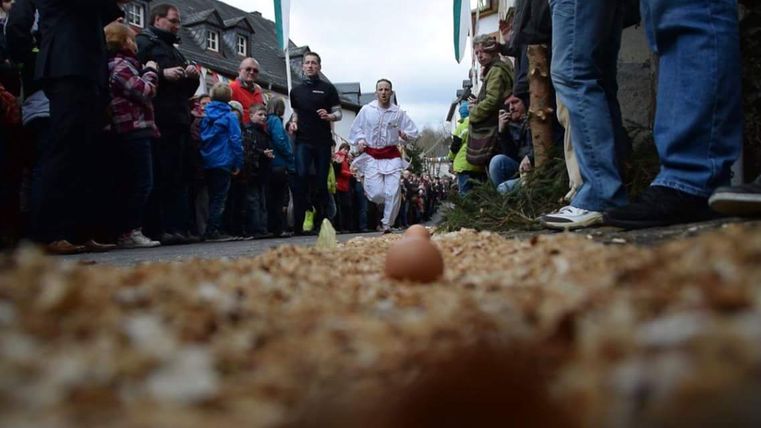
Culture, living traditions, and community life. Not only the Prümer Sommer festival but also traditional customs are celebrated in the Prümer Land. Examples include the egg-laying ceremony in Schönecken, the burning of huts, small May festivals, and the Advent brass band performances. You’ll find exciting events related to these in our calendar of events. Additionally, our blogger Susanne Wingels shares authentic stories about the Prümer Land—filled with myths, facts, and fascinating legends—on her blog, *Hauptsache-Eifel*.
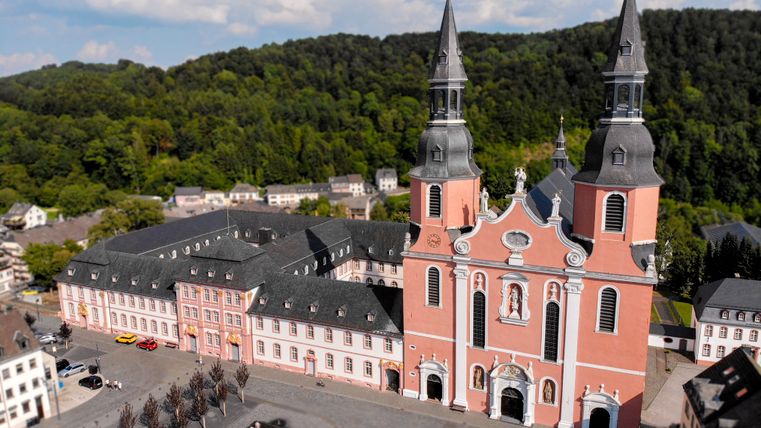
History in the Prümer Land is aboutthe past and its visible traces. Visit places like the St. Salvator Basilica, the Schönecken Castle Ruins, the Parish Church of the Assumption in Bleialf, or the Railroad Museum in Pronsfeld.
Art in the Prümer Land Region
In addition to art venues such as the Kruft Sculpture Park in Niederprüm, the Weißenseifen Artists’ Colony, and the Sculpture Trail in Welchenhausen, the major art exhibition organized by the EVBK—the European Association of Visual Artists from the Eifel and Ardennes—has been held annually since 1957.
11 results
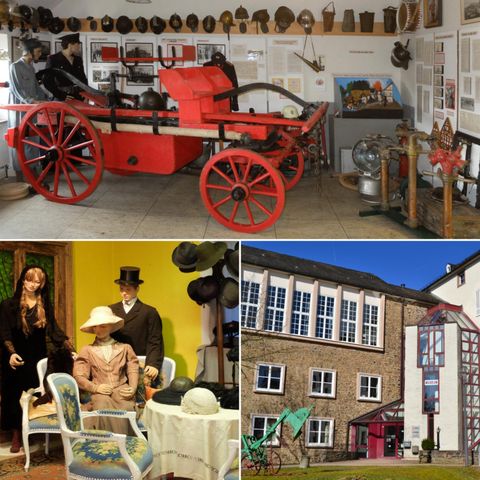
Museum Prüm
Prümclosed today
With over 12,000 exhibits on 1,300 square meters, the Prüm Museum is one of the largest museums in the Eifel.
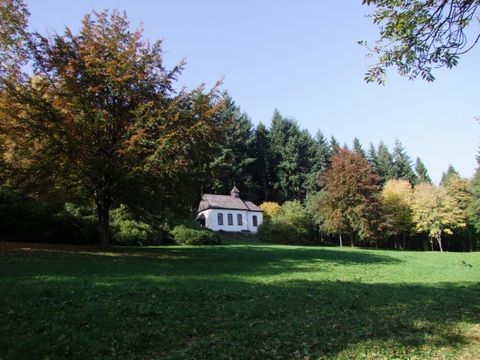
Kalvarienberg Prüm - Kreuzweg
PrümOpen today
stations of the CrossStations of the Cross on Calvary (orally "jin Kalleberich" - the bald mountain)
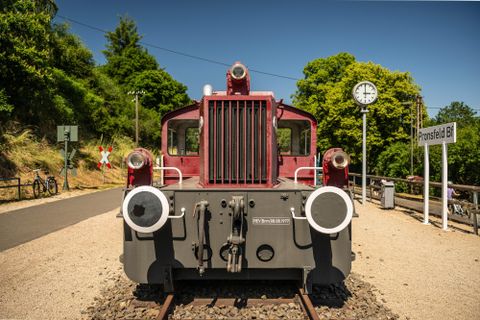
Eisenbahnmuseum Pronsfeld
PronsfeldOpen today
A museum locomotive, visible from afar, shows the way to the small railway museum on the cycle path in Pronsfeld.
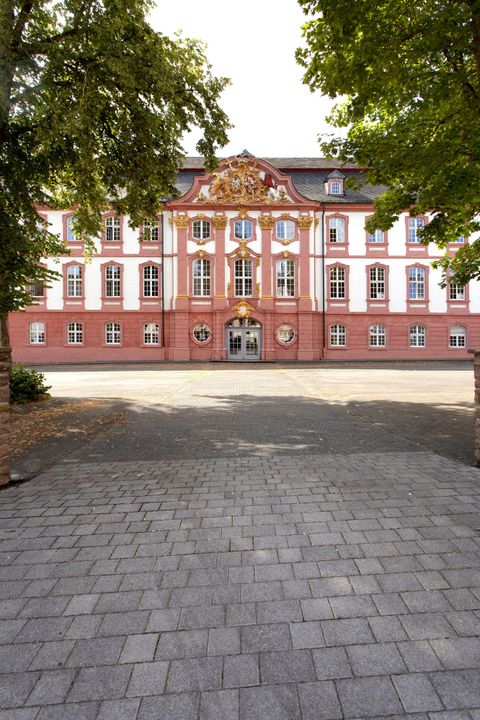
Ehemalige Kurfürstliche Abtei Prüm
PrümFormer Prince Abbey of Prüm
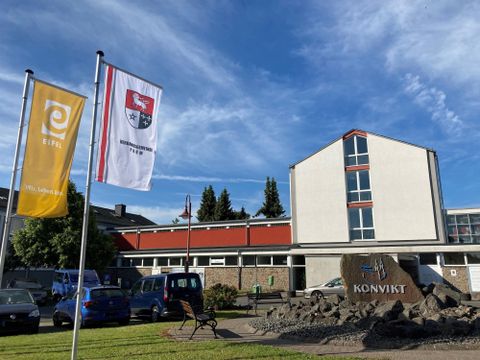
Konvikt - Haus der Kultur
PrümOpen today
The Konvikt - House of Culture or House of Church Services, under the sponsorship of the Prüm Municipality, houses various facilities, clubs and associations - including the registry office, the central library, the adult education center and the Eifel Tourismus (ET) GmbH. Events are also regularly held here.
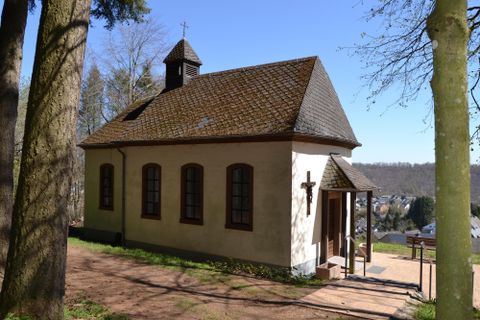
Kalvarienberg Prüm - Kalvarienbergkapelle
PrümThe small chapel stands on the eastern slope of the Calvary.
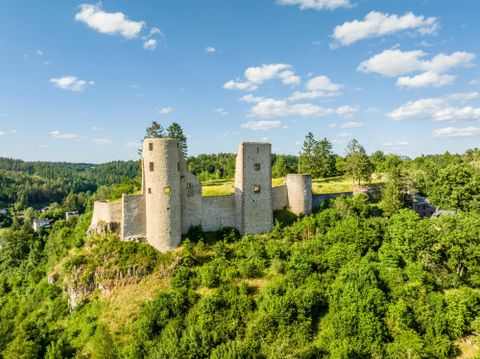
Burgruine Schönecken
SchöneckenOpen today
The castle represents the landmark of our place. A walk there is always worthwhile. From here you can enjoy an impressive view of Schönecken and its surroundings.
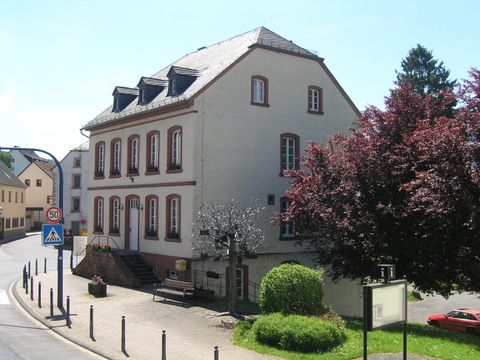
Kulturkreis Altes Amt Schönecken
SchöneckenIn the House of the Guest (Altes Amt), constantly changing exhibitions are offered by the cultural center Altes Amt. One focus of the exhibitions is the Kultursommer Rhineland-Palatinate from May to Oktober.
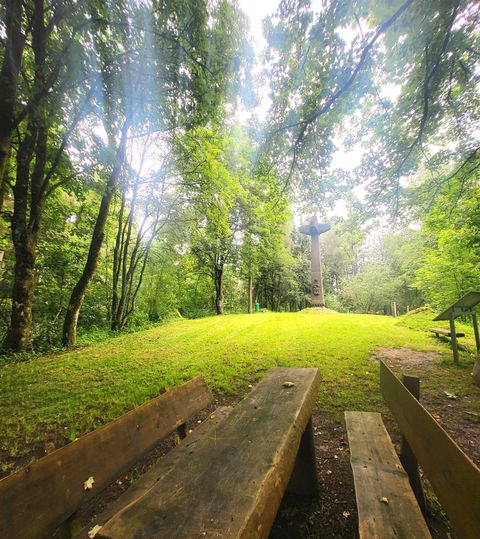
Kalvarienberg Prüm - Explosionskrater
PrümOpen today
Explosion crater Kalvarienberg
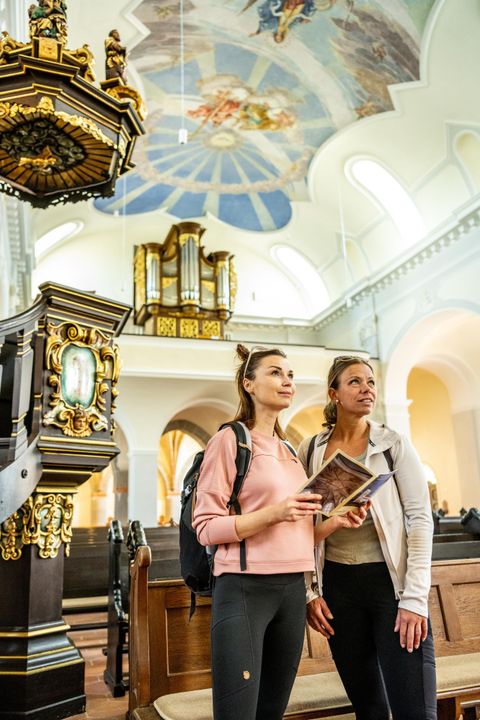
Pfarrkirche Maria Himmelfahrt
BleialfOpen today
The "Schneifeldom," as it is also called, is the visible sign of a long historical development from the Middle Ages to the 21st century.
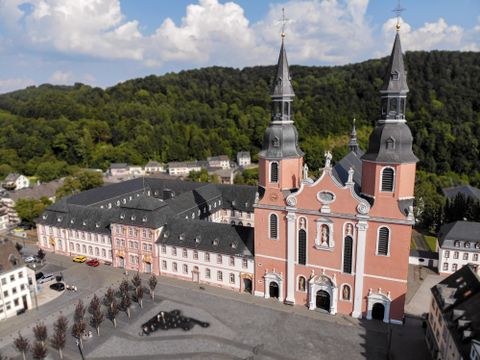
St. Salvator Basilika Prüm
PrümOpen today
In the middle of the town of Prüm you will find the St. Salvator Basilica, the landmark of Prüm. A visit to the baroque parish church is worthwhile.
Highlights
In Prüm, there is a guided tour of the town, which takes place every Saturday at 11 a.m. from May through October.
Group tours can be booked year-round upon request.
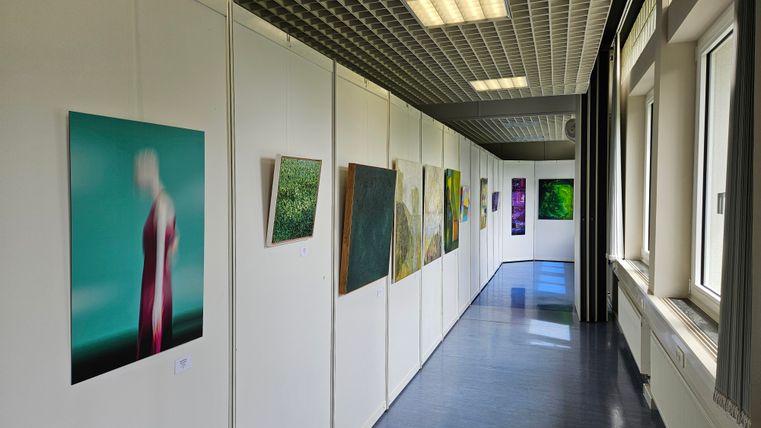
Exhibitions are held regularly. They take place at the following venues: the Alte Galerie in Pronsfeld, the Haus der Kultur in Prüm, the Altes Amt in Schönecken, and the Weißenseifen Artists' Colony.
You can find current exhibitions under “Events.”
Notable historical sites in the Prüm region, set against a stunning backdrop, include:
The St. Salvator Basilica in Prüm, the Schönecken Castle Ruins, and the Pronsfeld Railroad Museum.
Typical examples of traditions and customs in the Prümer Land region include:
The Sternsinger (early January), Carnival (Fastnacht), Hüttenbrennen (after Carnival), Klappern (Easter), raising the maypole (May), and St. Martin’s Day (November).